
The Allure of Luck and Risk
The concept of winning big in a casino often taps into deep-seated psychological desires for luck and adventure. Gamblers are frequently attracted by the thrill of risk and the potential for a life-changing jackpot. This relationship with chance is potent; it intertwines the excitement of the unknown with the hope of financial gain. Many gamblers believe in luck as a personal attribute, which leads them to seek games where they can exercise this perceived luck, including options that offer casino fast withdrawal features. The idea of hitting a progressive jackpot or finding the right slot machine becomes a compelling narrative in the minds of these players, enhancing their desire to engage in gambling activities.
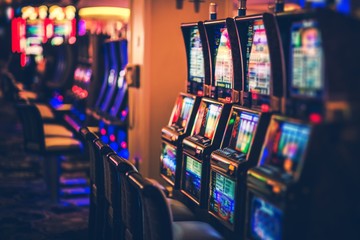
Furthermore, the ambiance of casinos plays a critical role in amplifying these feelings. Bright lights, lively sounds, and enticing designs stimulate excitement and encourage players to engage in a risk-taking mindset. The environment is engineered to create a sensory overload that heightens emotional responses, making players more inclined to gamble. This strategic use of sensory elements is a masterful psychological tactic that keeps players returning for more excitement. The dynamic interplay between these environmental factors and the individual’s psychological makeup creates an inviting atmosphere that feels almost magnetic.
Complicating this allure is the phenomenon of near misses, where players come close to winning. The brain’s reward systems are activated by these near wins, creating a false narrative where players feel that victory is just around the corner. This cognitive distortion leads to persistence in gambling despite losses, as players believe that their next attempt could yield success. Understanding the psychology behind these attractions can reveal why individuals often gamble more than they originally intended; the thrill of potentially winning can overshadow rational thought, pulling them deeper into the gambling experience.
The Role of Cognitive Biases
Cognitive biases significantly influence how gamblers perceive their chances of winning. One common bias is the availability heuristic, where individuals rely on recent experiences to judge future outcomes. For instance, if a player has just seen someone win a substantial amount at a slot machine, they are more likely to believe they can replicate that success. This skewed perception can lead to overconfidence and increased risk-taking behavior. Gamblers often forget the numerous losses and focus instead on the few wins, perpetuating a cycle of unrealistic expectations.
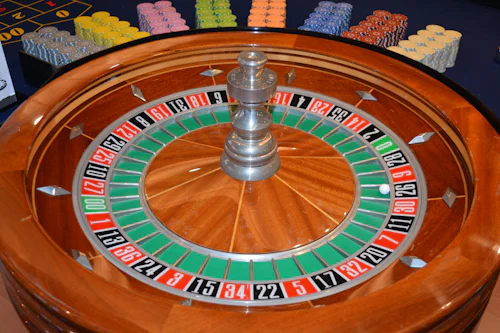
The gambler’s fallacy is another cognitive bias that plays a crucial role in casino psychology. Gamblers often mistakenly believe that past events can influence future outcomes in a random game of chance. For example, a player may think that since a certain number hasn’t come up in a roulette game for several spins, it is ‘due’ to appear soon. This misunderstanding leads players to make bets based on irrational logic rather than statistical reality. Such erroneous beliefs can result in considerable financial losses and emotional distress, as players chase the illusion of control over their gaming outcomes.
Moreover, the illusion of control can further entrench gamblers in their misguided beliefs. Many players feel that their skills or strategies can influence the outcome of games that are fundamentally random. This creates a sense of empowerment that keeps players engaged, as they believe their actions can manipulate luck. This mixture of cognitive biases fosters an environment where players underestimate risks while overestimating their chances of success. The combination of these biases creates a fertile ground for compulsive gambling behavior, as the players’ perception of the reality of gaming becomes increasingly distorted.
Emotional Triggers and Gambling Behavior
Emotions play a pivotal role in motivating gambling behavior. Many gamblers seek to escape from stress or dissatisfaction with daily life. The thrill of gambling can provide a temporary relief from these negative feelings. The rush of adrenaline associated with placing high-stakes bets can create an intoxicating experience that distracts from day-to-day problems, leading players to chase this euphoric state repeatedly. This emotional high can become addictive, as players begin to associate gambling with a sense of freedom and excitement that is lacking in their everyday lives.
Additionally, social aspects of gambling can amplify emotional involvement. Group outings to casinos or online gambling communities create a sense of belonging and shared experience. This social connection can enhance the thrill of gambling, as players celebrate wins together or commiserate over losses. Emotional ties within these communities can reinforce addictive behaviors and encourage players to gamble more than they might on their own. The power of social validation can lead to a cycle of increased gambling, as individuals seek to maintain their social status within these groups.
Furthermore, the potential for big wins can heighten emotional responses. The exhilaration derived from large payouts can lead to a continuous cycle of gambling in hopes of achieving that emotional high again. The emotional rollercoaster of winning and losing is akin to a drug-like experience, where the highs can overshadow the consequences of the lows. As emotions intertwine with gambling behavior, it becomes increasingly challenging for individuals to recognize when their hobby may be turning into a problem. This emotional entanglement can lead to denial and a reluctance to seek help, further complicating their relationship with gambling.
The Impact of Game Design on Player Engagement
Casino games are meticulously designed to captivate players and keep them engaged. Elements such as bright colors, inviting sounds, and immersive themes are strategically implemented to create an engaging experience. Game developers understand the psychological principles that can increase the time spent playing and, consequently, the amount wagered. The interplay between visual stimulation and gameplay is crucial in encouraging repeat play. The design of games often incorporates feedback loops that reward players frequently, keeping them invested in the experience.
In addition to sensory design, many games utilize reward systems that create a sense of progression. Features like bonus rounds or loyalty programs provide players with incentives to keep playing, as they feel they are working toward a goal. This concept taps into the human desire for achievement, making it more compelling for players to continue betting. The anticipation of rewards, even if they are not guaranteed, can prolong engagement with the game. This ongoing engagement is a calculated strategy to maximize player retention and profitability for casinos.
Additionally, the concept of scarcity is often employed in casino game design. Limited-time promotions or jackpots that threaten to expire can evoke urgency in players. This scarcity mentality can drive impulsive decisions, causing players to make bets they may otherwise reconsider. By entwining emotional triggers with thoughtful game mechanics, casinos effectively harness psychological principles to maximize player engagement and profitability. As players chase the thrill of potential rewards, they often overlook the inherent risks associated with their actions, leading to a cycle of continuous gambling.
Exploring Responsible Gambling Resources
While understanding the psychology behind gambling can enhance awareness, it is equally crucial to promote responsible gaming practices. Numerous resources are available for those who may feel their gambling habits are becoming problematic. Organizations dedicated to gambling awareness offer support, tools, and information for individuals struggling with their gaming behavior. Recognizing the signs of problematic gambling is essential to accessing the help needed. These resources often include educational materials that outline the risks of gambling and strategies for maintaining control.
Support groups and counseling services can provide a safe space for individuals to discuss their experiences and seek guidance. Many casinos also implement responsible gaming measures, including self-exclusion programs, where players can voluntarily limit their access to gambling facilities. These initiatives demonstrate a commitment to player well-being and help raise awareness about the potential risks involved in gambling. By fostering an environment that prioritizes responsible gaming, the industry can mitigate the negative consequences associated with gambling.
In conclusion, understanding the psychology of casino gamblers is crucial in fostering an environment that encourages safe and enjoyable gaming experiences. By equipping players with knowledge and promoting responsible gambling resources, the industry can help mitigate negative consequences associated with gambling. Knowledge is power, and informed players are better equipped to navigate the complex world of casinos responsibly. Ultimately, creating a culture of awareness and support can lead to healthier gambling habits and a more sustainable gaming environment for everyone involved.